
The man in the iron mask; a mystery that is yet to be uncovered

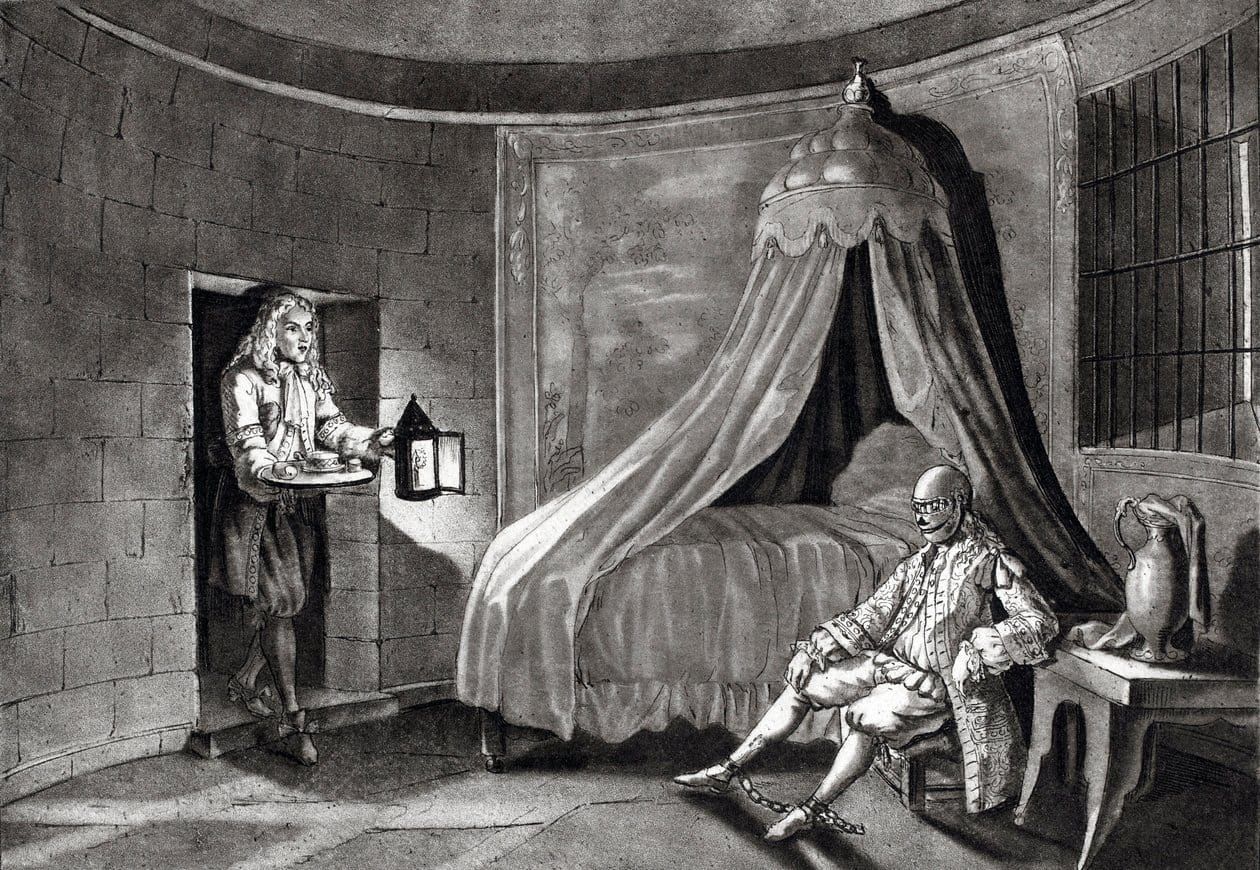
The mystery of the Man in the Iron Mask is one of the greatest mysteries in French history. From movies to books, the references to this marking character are countless. Yet, very few know the real story of the man who represents the harsh consequence of a king’s greed; a caged and tormented soul.
The facts
The prisoner made his first public appearance on the Sainte Marguerite islands - the 30th of April, 1687. The prisoner had arrived with his jailer, Bénigne Dauvergne de Saint-Mars, former musketeer and loyal to Louvois. According to a jansenist gazette, He was forbidden to pronounce his name, otherwise he would be executed on the spot.
“M. de Saint-Mars transported a state prisoner from Pignerol to the Sainte-Marguerite Islands by order of the King; no one knows who he is; it is forbidden to say his name and an order to kill him if he says it […]. He was locked in a sedan chair, with an iron mask on his face, and all that could be learned of Saint-Mars was that this prisoner had been in Pignerol for many years and that not all the people the public believes to be dead are…”
The secrecy of his identity was deemed so important that the soldiers who transported him were foreigners, so that they could not understand if the prisoner talked to them. It was the first time people had seen the iron mask. Of course, the attention on him quickly grew—not only was it a little bit of a freak show for them, but no such great measure had been taken with regard to a prisoner.
The man behind the prisoner
The man in the iron mask was kept under the responsibility of Bénigne d'Auvergne de Saint-Mars; at only 24 years old, he obtained a position as a musketeer with the great d’Artagnan as his captain, whom he participated in the arrestation of Nicolas Fouquet with. Saint-Mars was a trusted soldier of François Michel Le Tellier de Louvois (who had made him responsible for the mysterious prisoner).
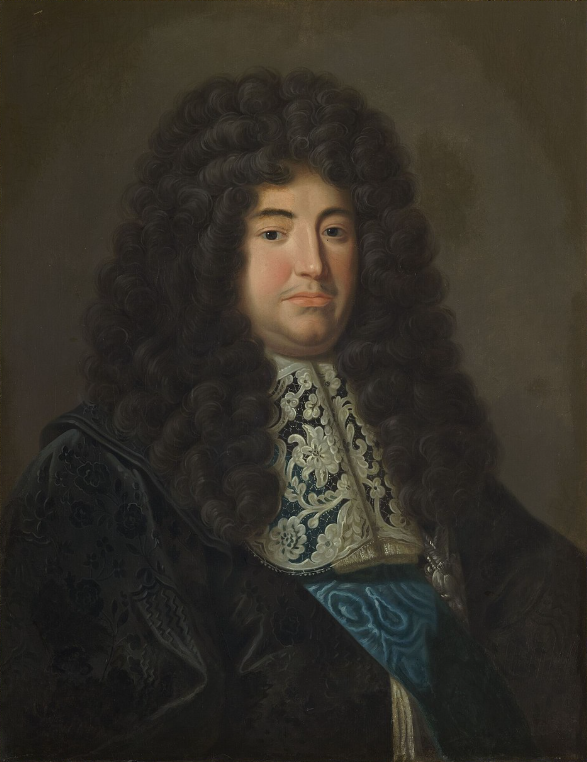
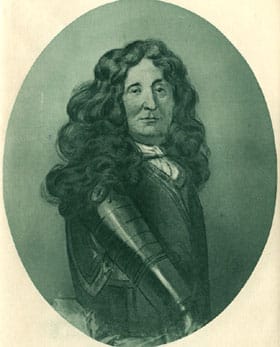
Louvois and Saint-Mars - After Jacob Ferdinand Voet, Public domain, via Wikimedia Commons
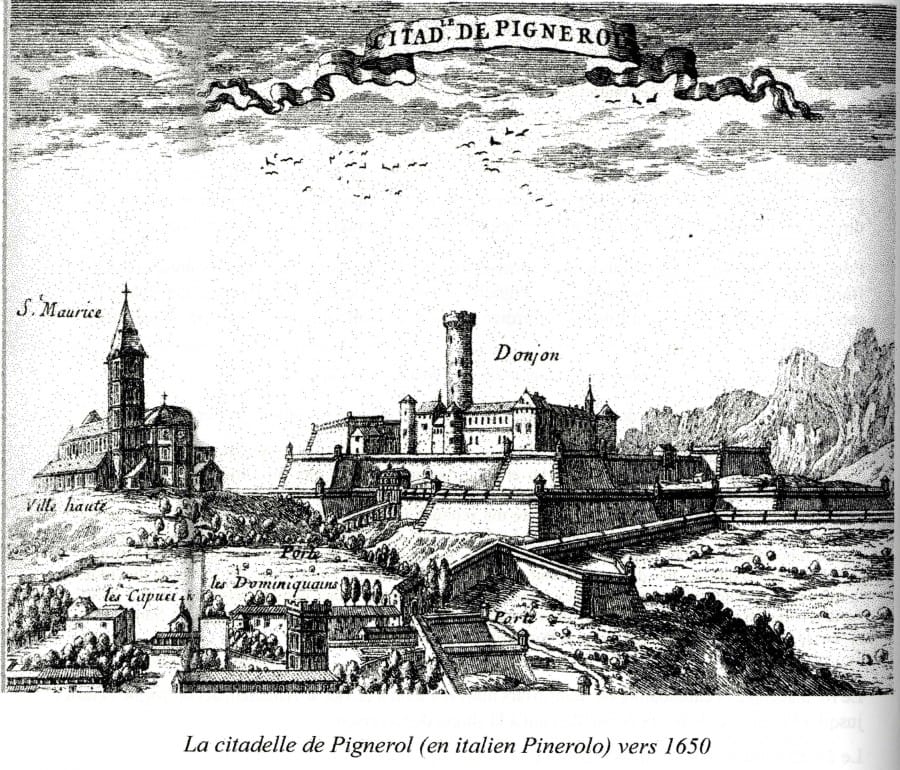
From 1665 to the spring of 1681, Saint-Mars was the Officer-in-Charge of the donjon(the main tower) of the Pinerolo fortress.
Then, Saint-Mars acted as governor of the nearby fortified castle of Exilles in 1681, and in 1687, Saint-Mars became the governor of two islands, the Lérins islands, located in the in the gulf of Cannes.
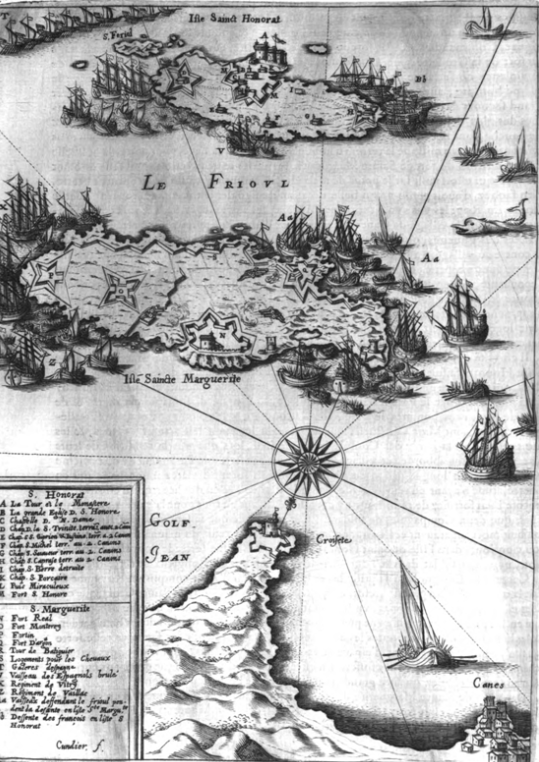
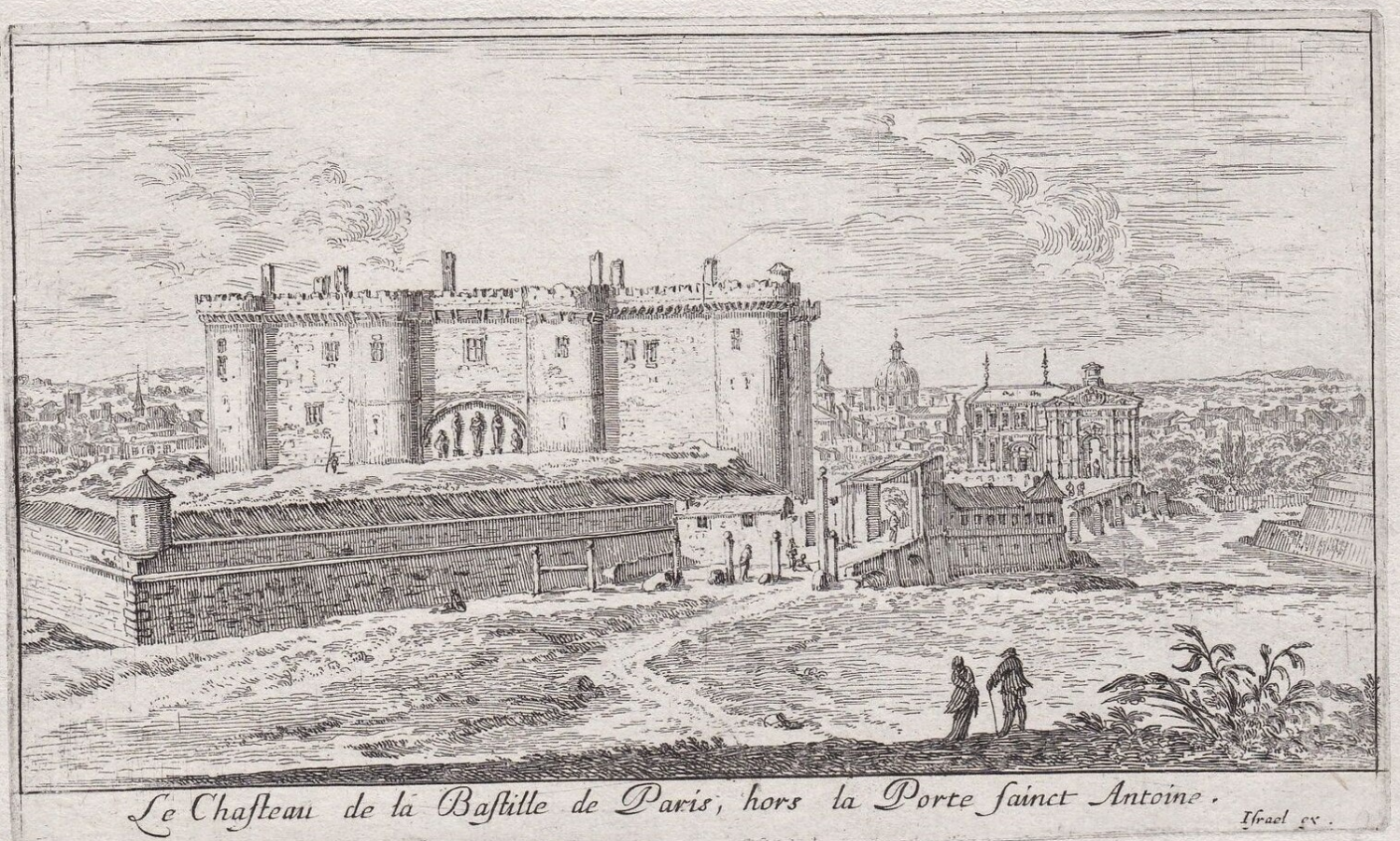
He finally became governor of the Bastille in Paris, a post he held until his death on the 18th of September, 1708. He died after his prisoner, who lived a total of 34 years in captivity.
Half a life wasted
The man in the iron mask was arrested for the very first time in Calais:
"On behalf of the king, Monsieur Louvois orders that a man named Eustache d’Augers be taken to Pignerol; it is of the utmost importance to his service that he be kept with the utmost secrecy.”
As early as July 19, Louvois had written to Saint-Mars about the prisoner he was sending him:
"It is of the utmost importance that he be guarded with great security and that he cannot give news of himself in any way or by letter to anyone […] to ensure that during the days that the place where he will be will not overlook places that can be approached by anyone and that there are enough doors, closed one on the other, so that your sentries cannot hear anything. You will have to bring this wretch yourself, once a day, enough to live on for the whole day and that you never listen, under any pretext whatsoever, to what he wants to tell you, always threatening to kill him if he ever opens his mouth to speak to you about anything other than his needs."
But what’s so important about him that even one sliver of his identity could cost him his life? Another interesting detail; in one of the letters, Louvois had told Saint-Mars to say, if anyone asked about the prisoner, that he was “merely a servant”. Thus, he was taken to Pinerolo, to where he arrived on August 24, 1679.
It is a state prison,which gives us an idea of his importance; in this one, there were only five, well known prisoners such as Nicolas Fouquet, the surintendant of royal finances who fell after he defied the king.
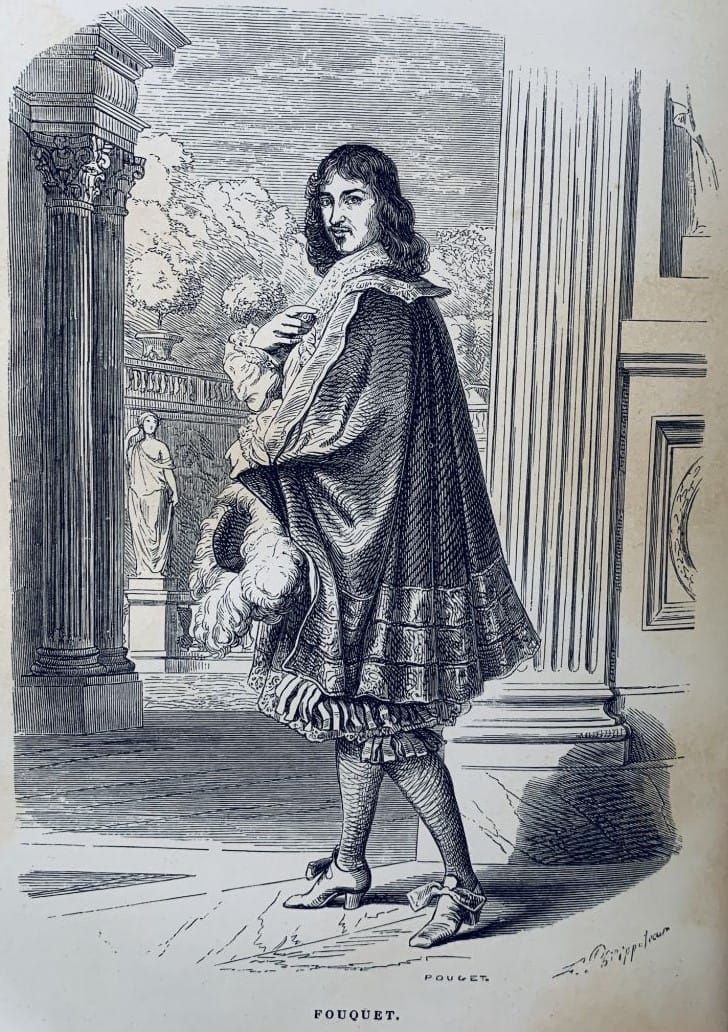
The living conditions are hard in Pinerolo, and much more at Exiles. Located in the mountains, this eerie town possesses very few inhabitants. He will spend 6 years there—and security is stepped up a notch under Saint Mars' command;
“I have two sentries on duty day and night, on both sides of the tower. They are advised to listen to see if anyone is speaking to the prisoner and if he is not shouting through the window. I have had the tower repaired in such a way that the priest who says mass for them cannot see them.” - Correspondence to Louvois by Saint mars.
As said earlier, Saint Mars became the governor of the Lerins Islands in 1687, after expressing his distaste for the austere environment of Exilles, requesting a change of pace. His request is accepted and of course, he brings his prisoner along with him. The Sainte-Marguerite islands are a pleasant, very stark contrast to the previous prisons and environments; The Mediterranean climate offers a calm and sunny atmosphere. It is especially Saint Mars who is very satisfied, his prisoner, who bears the mask and chains, cannot truly enjoy the sight nor his somewhat comfortable stay, which awaited him.
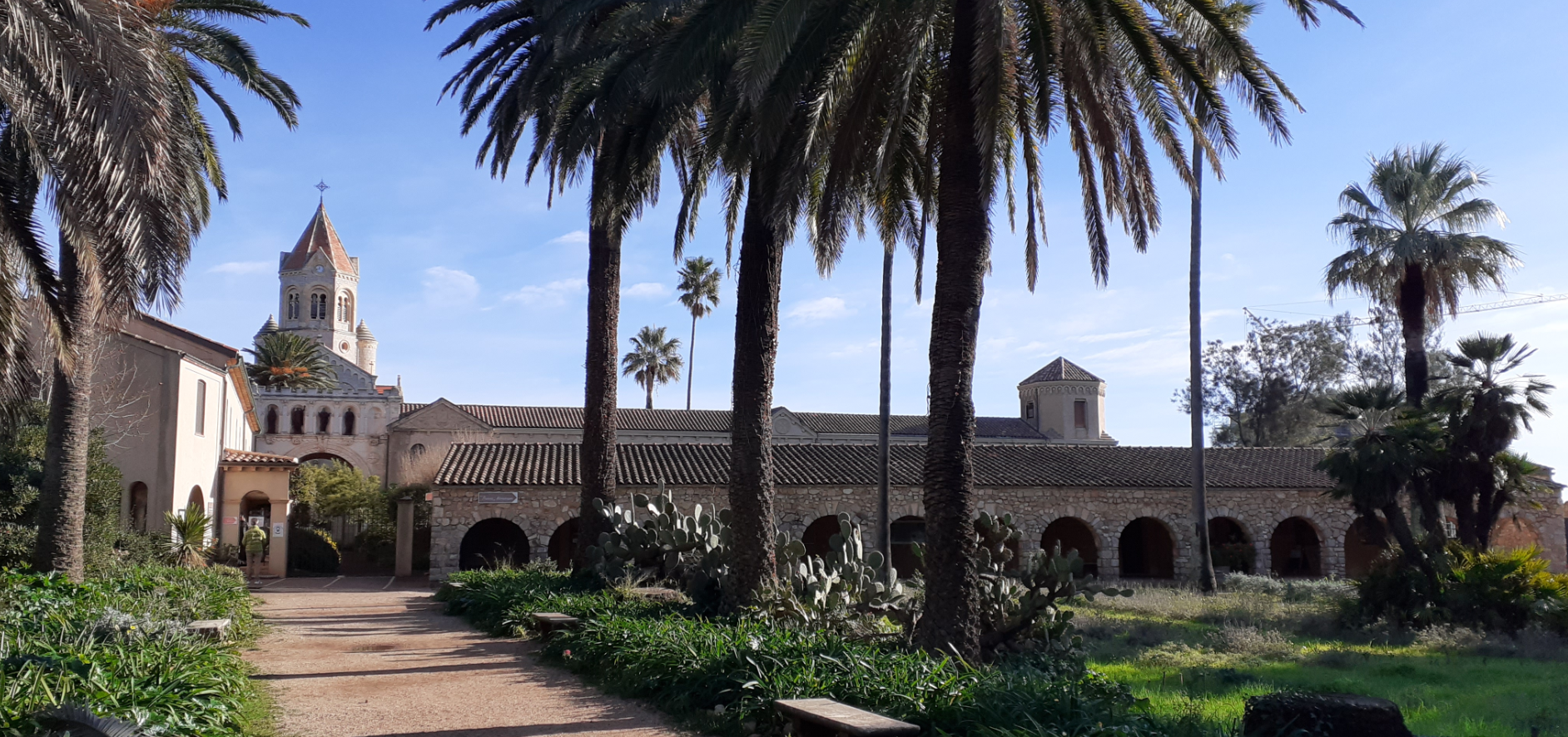
Indeed, Saint-Mars didn’t want his prisoner to be uncomfortable, Louvois had given him carte blanche for the construction of the new prison and so he decided to make it a high security one, which bordered on excessive; The walls were between one and one and a half meters thick, his cell’s only window overlooked a 22 meter peak—said window had a row of three thick, slightly offset metal bars, so that he couldn’t break them or throw something out of the window. The doors were studded with iron, impossible to break, even with an axe.
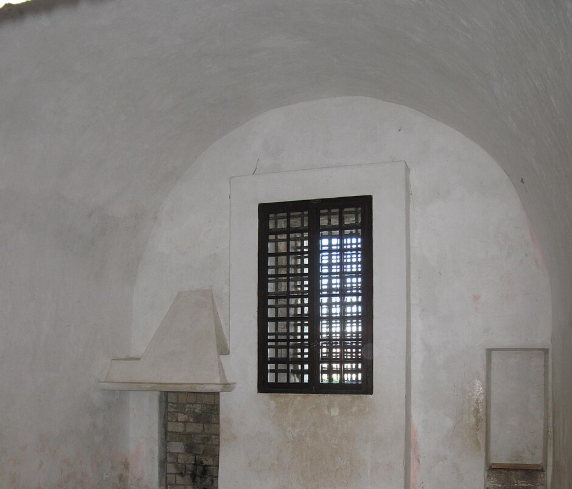
As I said earlier, Saint-Mars really wanted to make sure that as well, his prisoner would have a comfortable stay ( which is almost impossible, really, because the man in the iron mask knew very well that he was never going to get out of prison, I mean, it must be such a harrowing feeling, that probably never went away), therefore, his cell was 30 square meters, possessing a fireplace, latrines to avoid any type of illnesses or infection (very recurrent at that time), a small library and a comfortable bed. He was even better housed than his jailer and his wife! But no amount of material items can replace a need for human interaction, and it is almost impossible to live healthily without any, for such a long time. Maybe he had an imaginary friend, or gave human aspects to the objects surrounding him? What’s for sure is that he must've had some form of escapism..
The prisoner died in 1703, and was buried at the Saint-Paul cemetery under the name ‘Matthioli”, which is a fake name—every state prisoners were buried under fake names.
His identity
Many hypotheses were formulated on his identity; that it was Molière, Nicolas Fouquet, and many more well known personalities. But it really was Voltaire who sparked imagination and excitement with his surprising hypothesis; that the man in the iron mask was actually an illegitimate brother of the king. Thanks to him, the myth of the iron mask is given a political dimension; with this hypothesis, he wants to discredit the monarchical institution . Because if this is indeed the case, there would be serious dynastic problems. For him, the man in the iron mask represents the worst vices of the king.
From then, a crazier rumor is launched; the prisoner would be the twin brother of the king. And it could have been the case—since this answers numerous questions; why the mask? Because people would know the king has a twin brother; Why not just kill him? Because it’s royal blood—royal blood is deemed sacred. The fact that royal births were always assisted, under perpetual surveillance, demystifies this theory.
So then, who is he really? Well, in his arrest certificate, a name is found; Eustache d’Augers. His full name would be Eustache d’Augers de Cavoye, if he is the same man who was born in royalty; with a father, the captain of Richelieu’s guards, and a mother, the lady-in-waiting of Anne of Austria. Historians have explored the hypothesis that Anne of Austria, unable to procreate with Louis XII, had personally asked Francois de Cavoye to ‘help’ her—and the couple, Francois and Marie de Cavoye, had kept the secret.
Why this hypothesis? Simply because Louis de Cavoye (Eustache's brother) bears a striking ressemblance to Louis XIV.
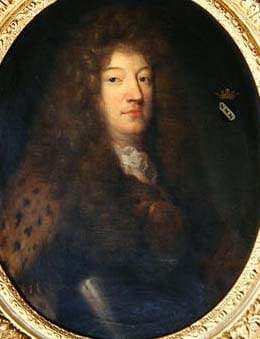
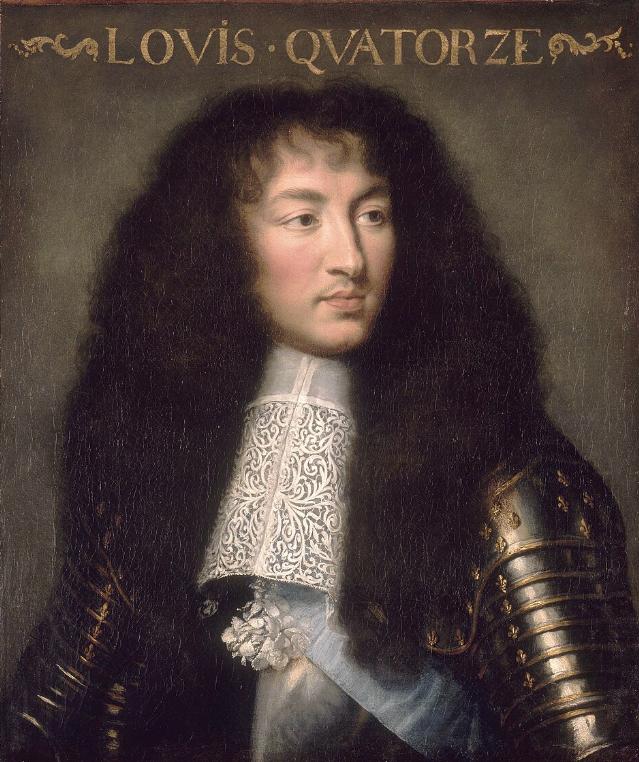
1. From école de France. 2. Attributed to Charles Le Brun, Public domain, via Wikimedia Commons
Historians are still searching for proof of this, the only real way to determine this theory would be with DNA but they do not have the means to do it, yet. For now, we can only remember the man in the iron mask as Eustache d’Augers, who lived and died in captivity, with reasons unknown to us.
Sources
1.(Wikipedia)
2.(National Geographic)
3.(Another blog)
4.(RMC TV)
5.(Ouest France)
6.(Cannes Tourisme)