
The Château de Chenonceau, an artistic and technical prowess of the 16th century

The Marques
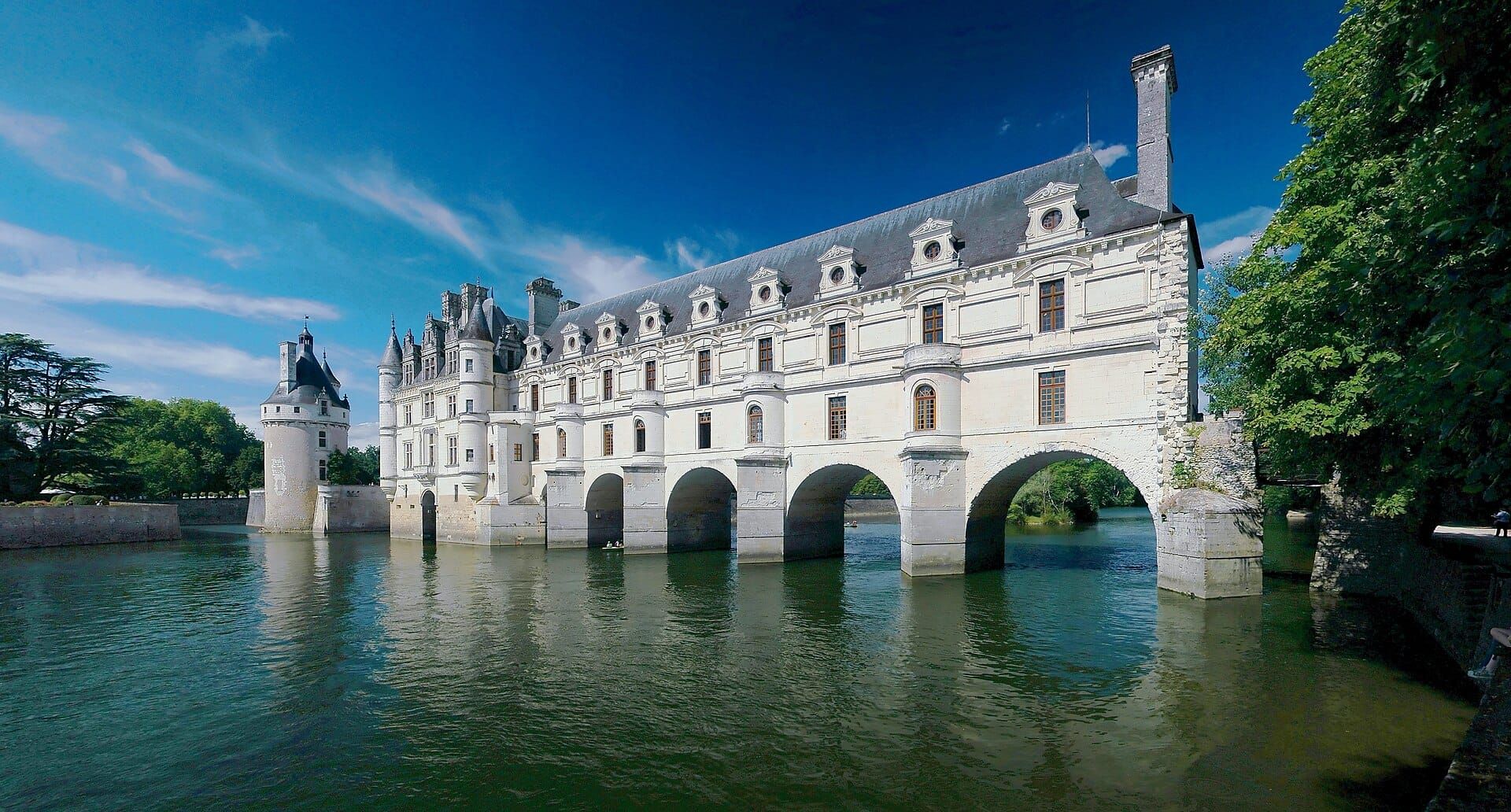
The story of Chenonceau begins with the Marques family. This family owned a small medieval castle/ château fort dating back to the 13th century. It bore no resemblance whatsoever to the majestic château that many still visit to this day. In fact, it was simply a medieval castle/ château fort with a protective wall and a mill from 1230, built on a platform above the Cher River.
Unfortunately, mismanagement of the estate led the family into serious financial difficulties, leading to the seizure of the fief on June 3, 1496. Thomas Bohier, a recently ennobled burgher of Tours, acquired it for 7,374 livres.
The Bohier couple and the rise of the château
Thomas and his spouse Katherine Briçonnet razed the castle, while still preserving the initials of the original owners. Then began a construction project that would defy the traditional expectations of their time; indeed, the château, complete with two towers, did not at all conform to the standard of the classic castle/château fort found in the Middle Ages. The Bohiers managed to transform it into an innovative and modern residence: a five-story gallery, 60 meters long, with 36 windows, built on a five-arched bridge that generated the Cher River. They added a chapel and a library to a facade of almost perfect dimensions. Upon entering, one finds a layout similar to houses of our time: a corridor leading to several rooms, whereas normally (at the time) one entered using the staircase to meet a large hall, leading to a bedroom, a dressing room, additionally any other room, and finally the gallery which was strictly occupied by the owners. It was an exceptionally solid manor (built of limestone) that would later last for more than 500 years! When the Bohiers died, their son inherited the château.
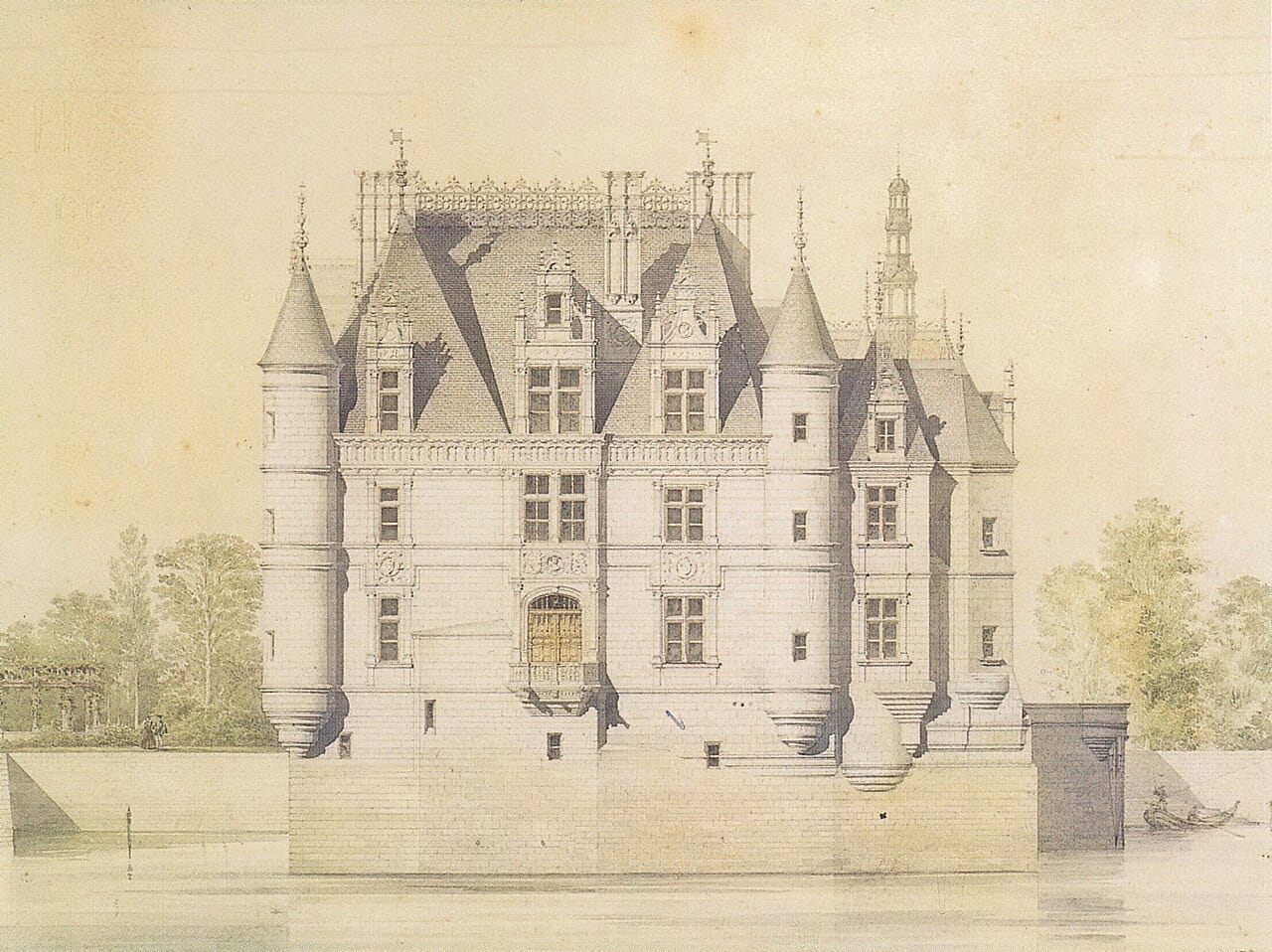
However, Francis I launched an investigation against his financiers who had confused personal funds with state funds. The son was fined 190,000 livres. Indeed, the young heir ceded the château to Francois I, and from 1535 onwards, the Château de Chenonceau became a royal residence. Surprisingly, (and disappointingly) Francis I did not renovate or decorate the abode, nor did he really spend his days in it.
Although, Francis I and the Court, returning from Aigues-Mortes after the signing of the truce of Nice with Charles V, stayed at Chenonceau in August 1538. A hunting party in the spring of 1545 brought the monarch to Chenonceau, where game abounded in the surrounding forests. But his interest laid in Chambord, Fontainebleau and Villers-Cotterets and until the end of his reign, the state of Chenonceau remained the same..
"Le château des dames"
Chenonceau was built, furnished, and transformed by numerous women with very different personalities and tastes in matter of architecture and decoration. It was firtsly constructed by Katherine Briçonnet between 1513 and 1521, enriched by Diane de Poitiers, from 1556 to 1559, enlarged under Catherine de' Medici', transformed into a place of mourning by Louise of Lorraine, saved by Louise Dupin during the French Revolution and renovated by Marguerite Pelouze.
Diane de Poitiers
After the king had died of a sepsis at the age of 52 years old, his son Henri II offers Chenonceau to his favourite, Diane de Poitiers; Duchess of Valentinois.
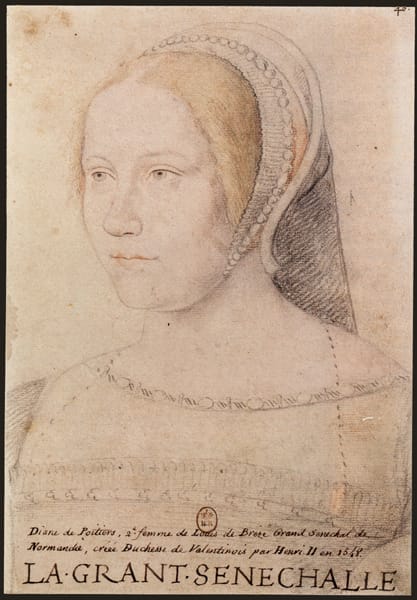
Said offering is confirmed by Letters patent issued at Saint-Germain-en-Laye in June 1547. Diane de Poitiers has a garden, bearing her name, arranged on the right bank of the Cher. In the spring of 1551, this two-hectare area is later protected from flooding by an earthen embankment.
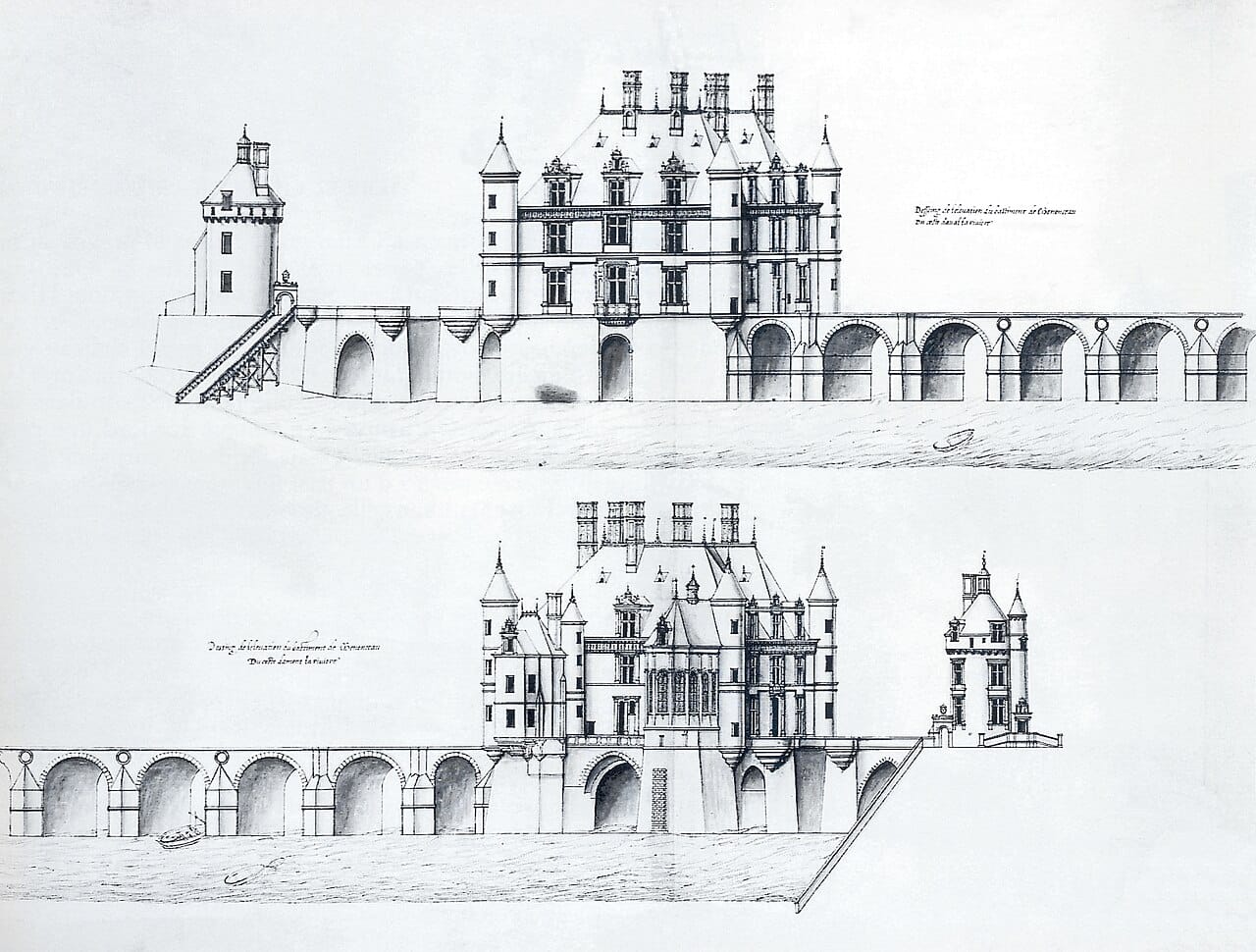
This project monopolized a considerable workforce! At the beginning of 1552, the Duchess of Valentinois called upon the great lords and owners of gardens in Touraine for the plantings, such as Jean Babou de la Bourdaisière, Jean Paul de Selve or his cousin Simon de Maillé-Brézé, who delegated their gardeners. And in the same year, she received King Henry II, Catherine de Medici, and the entire court at her new estate. To build the now famous and spectacular bridge we now see at the castle, she put in Philibert Delorme (a grand architect, then enjoying great royal foavor) in charge of it. It is a bridge connecting the castle to the left bank, and was created in order to arrange new gardens and access larger hunting grounds. Moreover, it was part of the Bohier family's original plans. Its contruction begun in the spring of 1556 and, after many setbacks, was completed before the end of 1559 at an estimated cost of over 9,000 livres.
However, the king was unable to inaugurate the bridge, as he was mortally wounded in Paris during a tournament on June 30, 1559, by the captain of his Scottish Guard, Gabriel I de Montgomery.
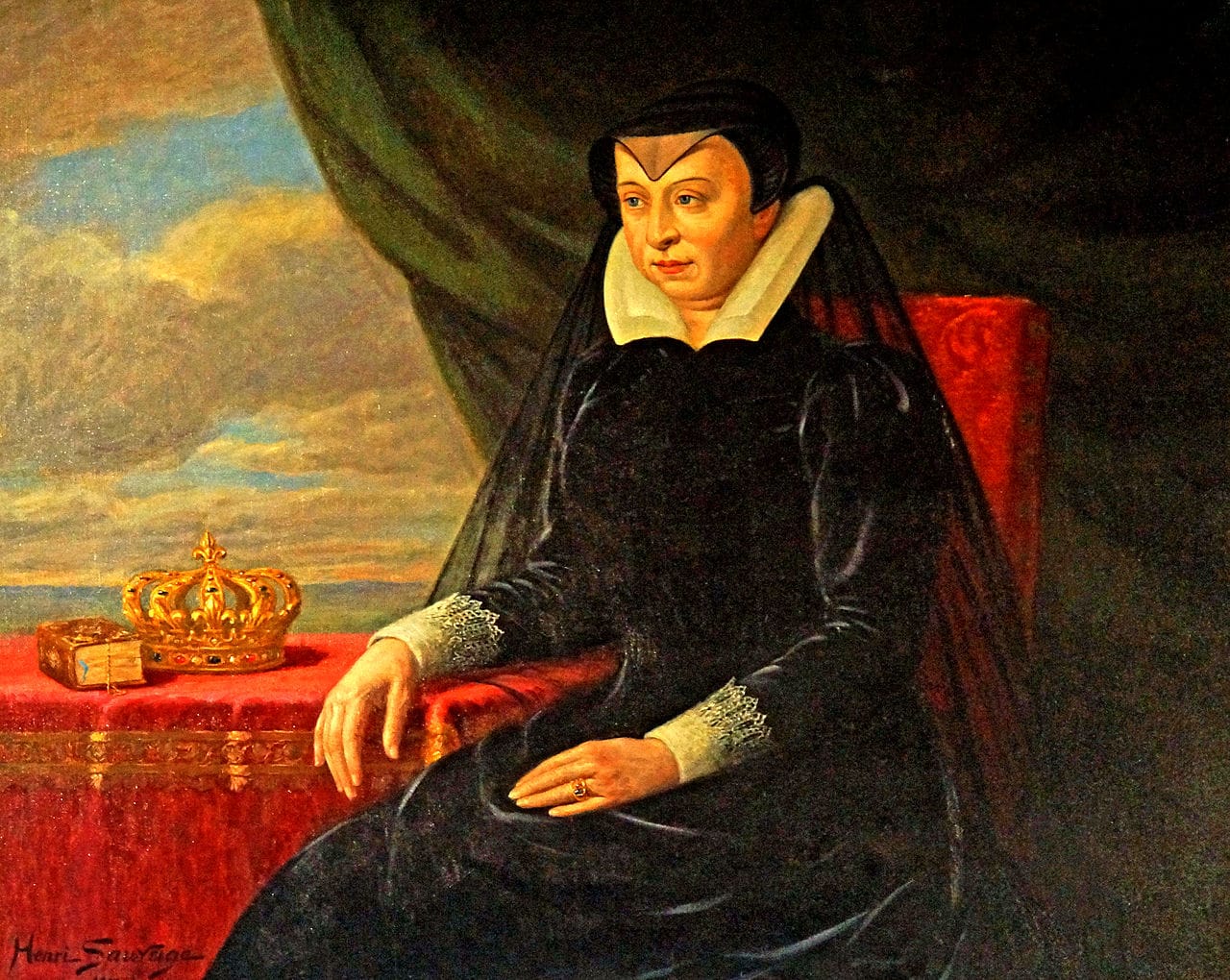
Catherine de' Medici
As Henri II dies at the young age of 40 years old, Catherine de' Medici constrains her rival, Diane de Poitiers, to return Chenonceau to the Crown and accept in exchange the Chateau Chaumont, overlooking the Loire River between Blois and Amboise. The deed of transfer was sealed in Blois at the end of 1559 and confirmed at the Chateau Chinon on May 10, 1560. Due to the violent and bloody suppression of the Amboise conspiracy, Catherine de Medici gives rise to numerous and grand festivities to forget about the heavy and terrifying times.
To regain the upper hand above Diane's past constructions, she, too, has a garden (and multiple) arranged. Entrusting her architect Jean Bullant and master mason Denis Courtin for the construction of new galleries, Catherine de' Medici envisions this project to be of such beauty that it rivals even the most beautiful château of its era. Construction begins in 1570; to the east, a two-story building with an attic is built between the library and the chapel, resting on a new vault. Since this construction blocked the windows illuminating the Guards' Room and the chamber above, an alteration of the main facade (to ensure appropriate light), was necessary. Bays were added to the north, doubling the original openings. As decoration, caryatids were placed between the ground-floor and first-floor windows. Catherine commissioned the construction of two superimposed galleries on the Diane Bridge, creating a reception area unique in the world and giving the château its current appearance.
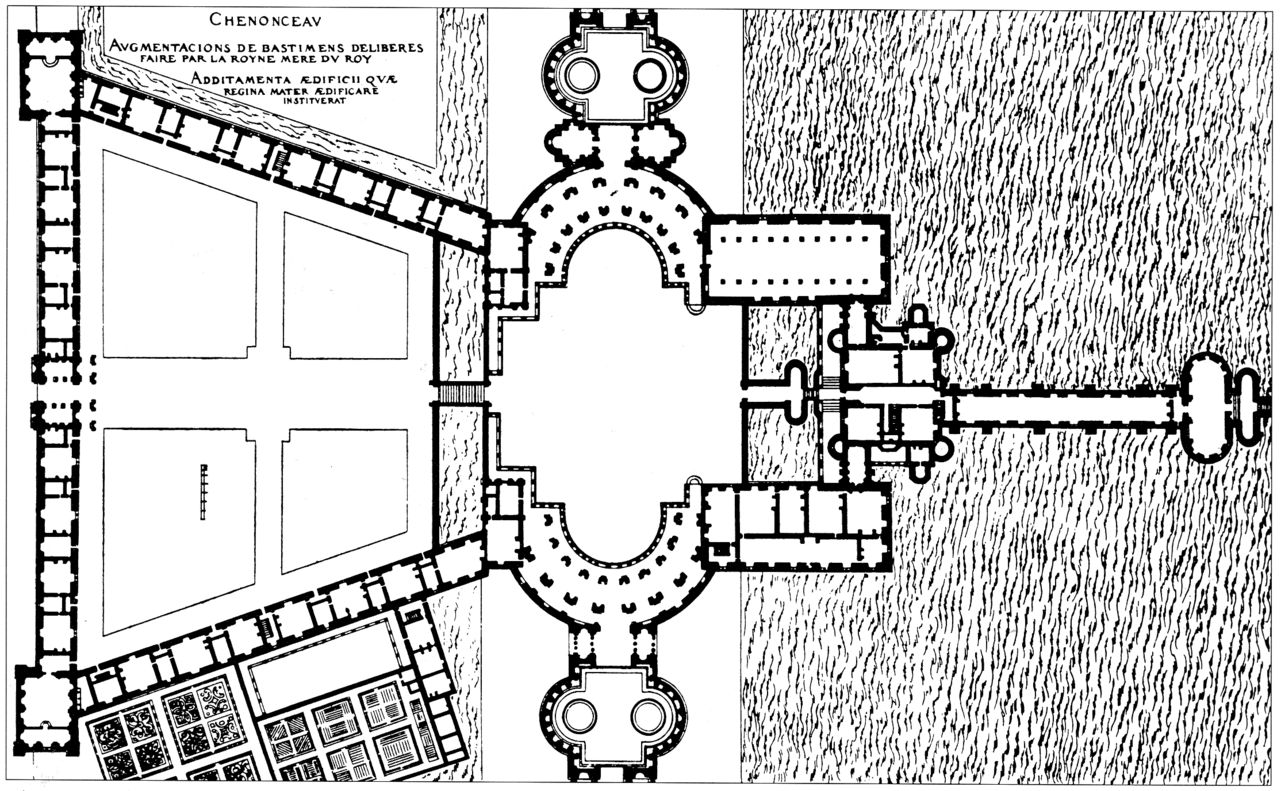
Sadly, a mismanagement of her fortune (heavy expenses for the constructions within the castle) forces Catherine to resort to loans. Despite this, work continues and on the 23th of august, 1586 (reception of constructions), Catherine's ambitious projects come to an end.
Louise de Lorraine
Inheriting Chenonceau upon the death of her husband, King Henry III, Louise of Lorraine never recovered from the brutal loss of her husband, assassinated in 1589.
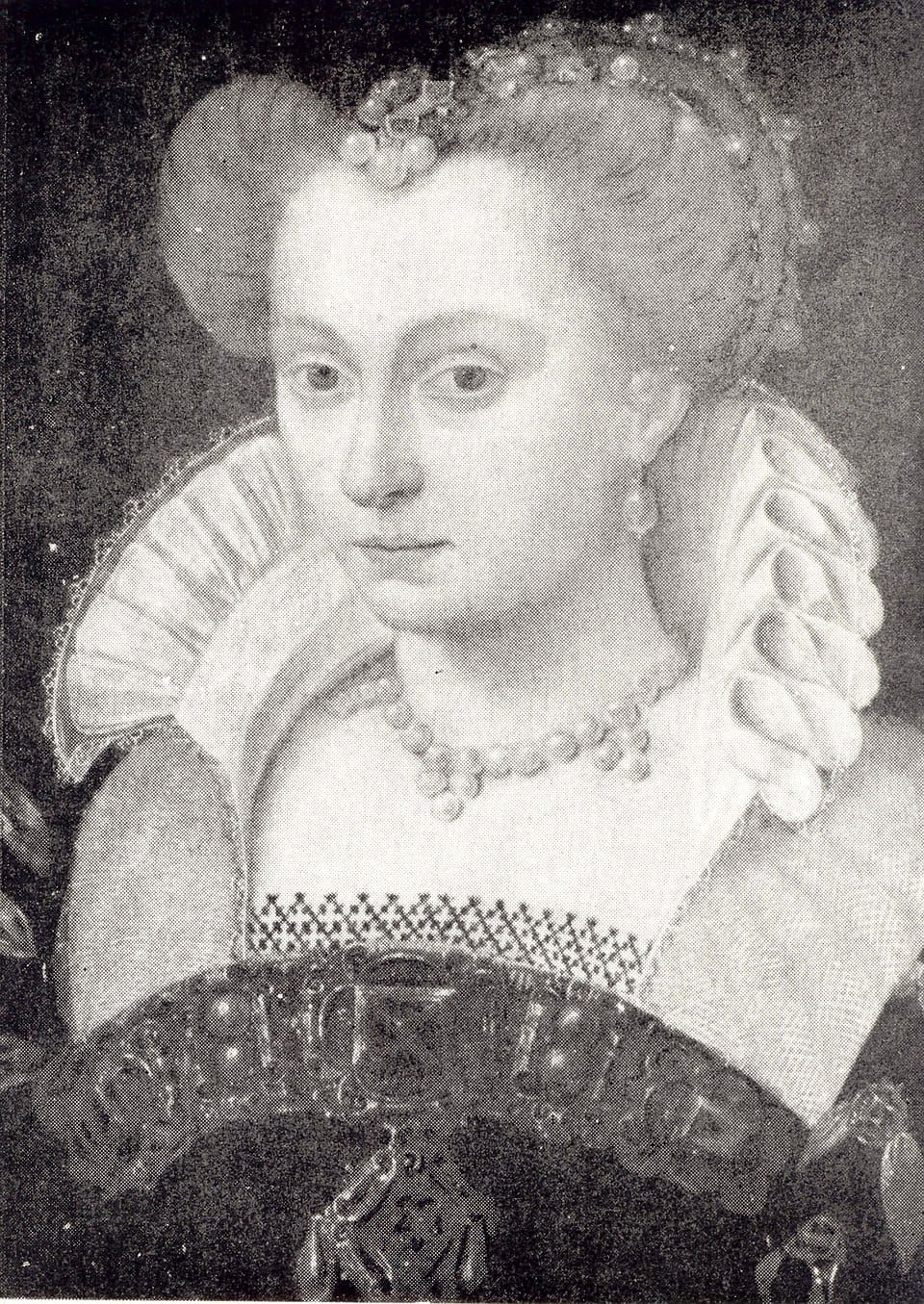
To cope with her sadness, she transformed Chenonceau into a place of mourning. Louise of Lorraine assumed the colors of royal mourning and became known as the "White Lady of Chenonceau." The color black covered almost the entirety of the chateau's interior. Chenonceau was covered in funereal motifs, reflecting the queen's profound grief. She took possession of the eastern apartments, built by Catherine de Medici, between the chapel and the library. Her bedroom and an oratory on the second floor of the château were painted black with grim decorations of tears and bones. This funereal atmosphere remained for over a century, untill her death in January 1601, leaving the chateau to her niece, Francoise de Lorraine.
Louise Dupin
Famous for her wit and beauty, Louise Guillaume de Fontaine (Louise Dupin), spouse of wealthy squire Claude Dupin, was the child of financier Samuel Bernard and actress Manon Dancourt.
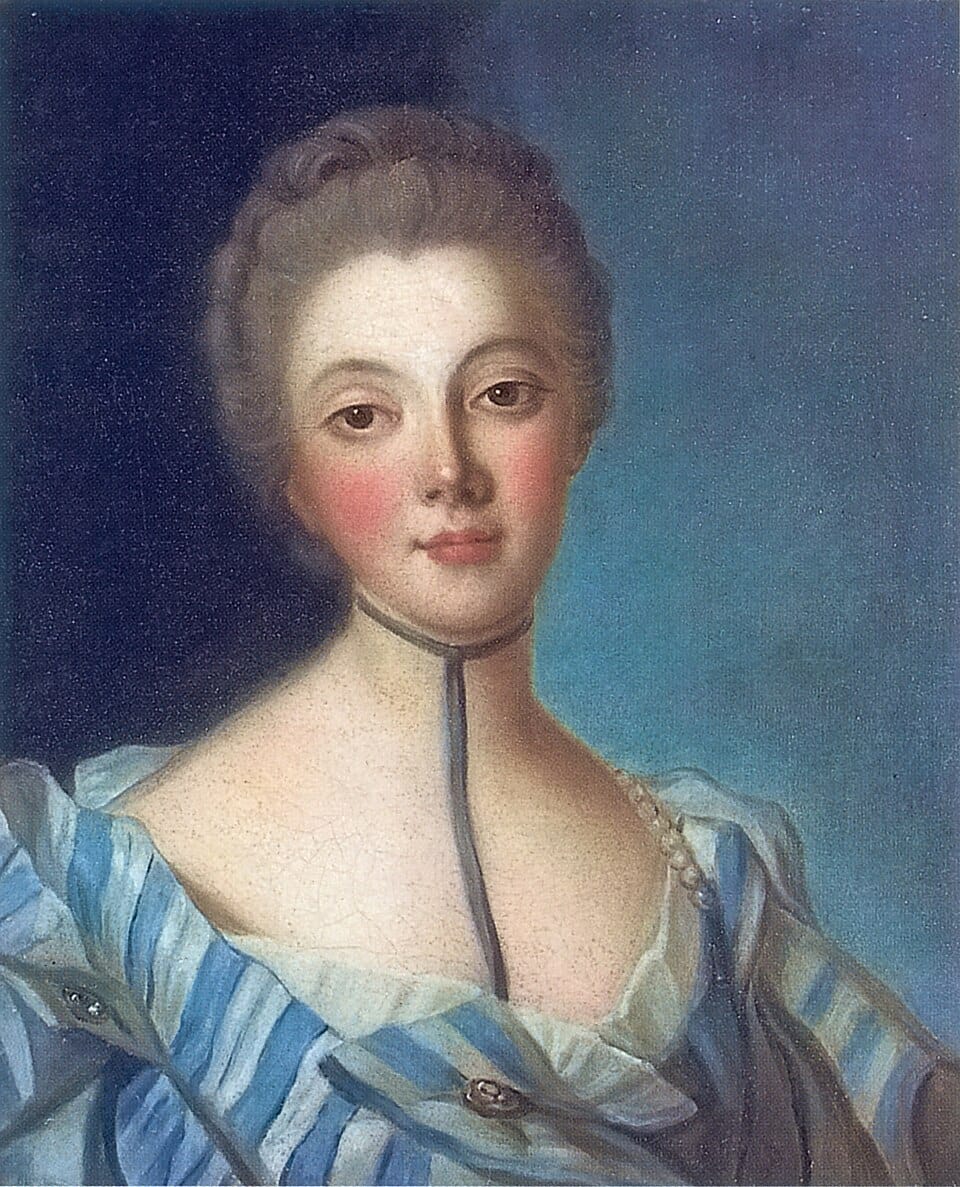
The visionary woman (she holds a remarkable place in the history of women and feminism, thanks to her works and modern ideas.) hosted a litterary salon at Chenonceau, attracting numerous leaders of the Enlightenment such as the writers Voltaire, Montesquieu, and Fontenelle, the naturalist Buffon, the playwright Marivaux and the philosopher Condillac. Jean-Jacques Rousseau, private secretary to Monsieur and Madame Dupin, recounts in his Confessions:
"In 1747, we went to spend the autumn in Touraine, at the Château de Chenonceau, a royal residence on the Cher. We had a lot of fun there, the food was excellent; I became as fat as a monk. There was a lot of music. I composed several trios to sing there. Comedy was performed there. I composed a play in verse there entitled Sylvie's Alley, named after an alley in the park that bordered the Cher."
During the french revolution, the widowed Louise Dupin saved Chenonceau from demolition.
"What, citizens! Don't you know that Chenonceau is a bridge? You only have one bridge between Montrichard and Bléré, and you're talking about demolishing it! You are enemies of the public good!" - Louise Dupin
Marguerite Pelouze
In 1864 Marguerite Pelouze, a rich heiress, acquired the château. She commissioned the architect Félix Roguet to restore it (he begun his work in 1865); entirely changing the interior and removing much of Catherine de' Medici's addition, notably the rooms between the library and the chapel and her alterations to the north facade, among which were statues of Hercules, Pallas, Apollo and Cybele that were moved to the park. Much more changes were made, including the destruction of Queen Louise of Lorraine's apartments and the arch that supported them. At the time, the famous author Gustave Flaubert sojourned at the château many times!
"I don't know what singular sweetness and aristocratic serenity emanates from the Château de Chenonceau. (...) The Cher flows beneath, and murmurs at the base of its arches whose pointed edges break the current. It is peaceful and gentle, elegant and robust." - Gustave Flaubert
Alas, Marguerite's finances were quickly depleted because of excessive expenses on lavish parties and construction projects.
A château like no other
Not only was this chateau a technical and architectural prowess of the 16th century, showcasing an incredible sense of innovation, but it is both a reminder of France's architectural skills and a reminder of human passion, audacity and art. Chenonceau has seen many emblematic figures of history, mostly women, and each of them brought their own ideas and visions to it. It ascended to its current state, passing by different phases and many years. Being able to visit such a place, and to witness remnants of its history, is priceless.
And you? Would you like to visit Chenonceau one day? (maybe you already did?) tell me!