
The Château de Chenonceau - War secrets

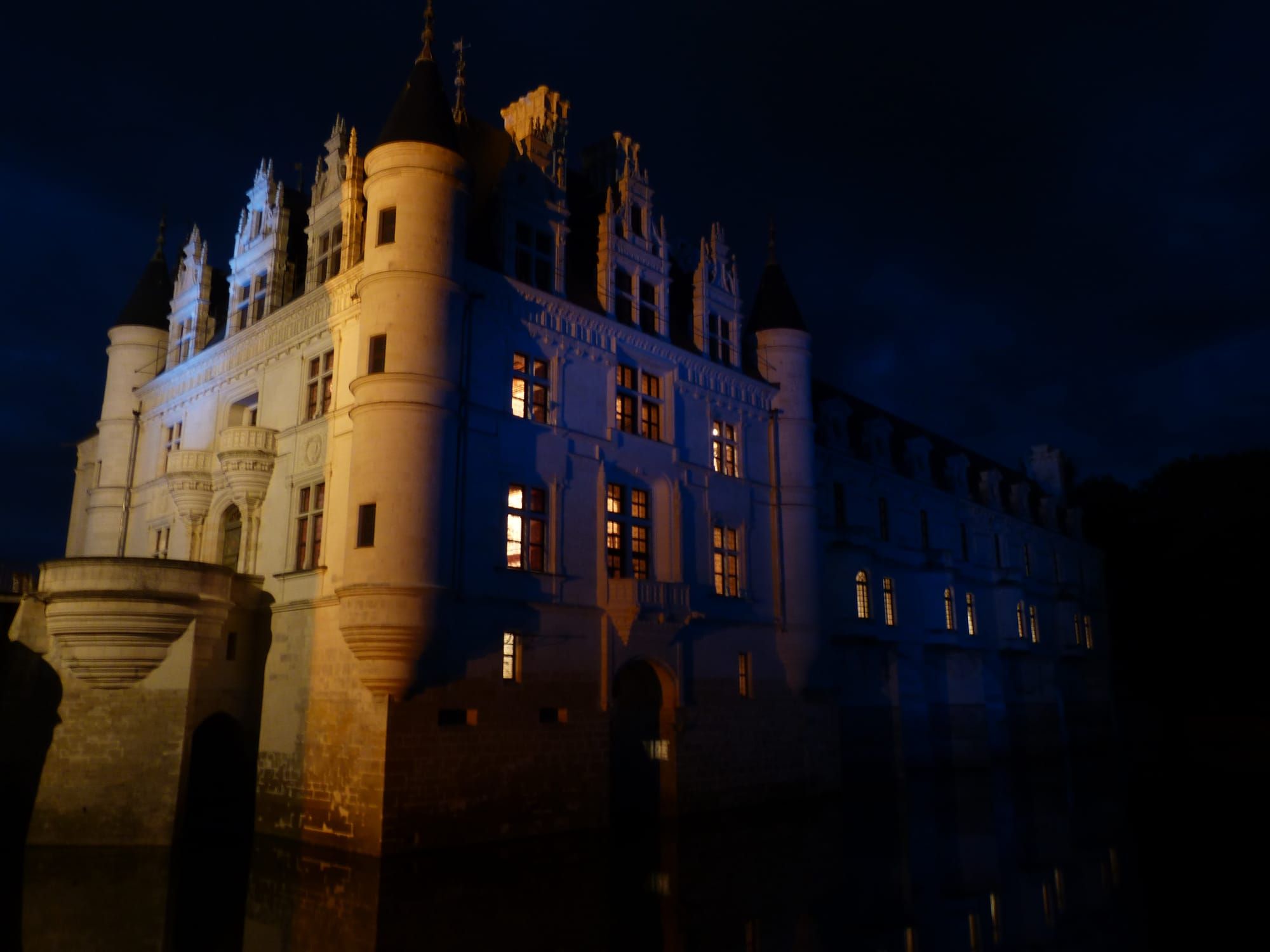
In my most recent blog post, I primarily talked about the origins of the beautiful Château de Chenonceau. I talked about the famous women who transformed it and the architectural prowess it displays. But aside from its refined looks, the château also occupied a significant role in both of the World Wars...
A sanctuary for wounded soldiers
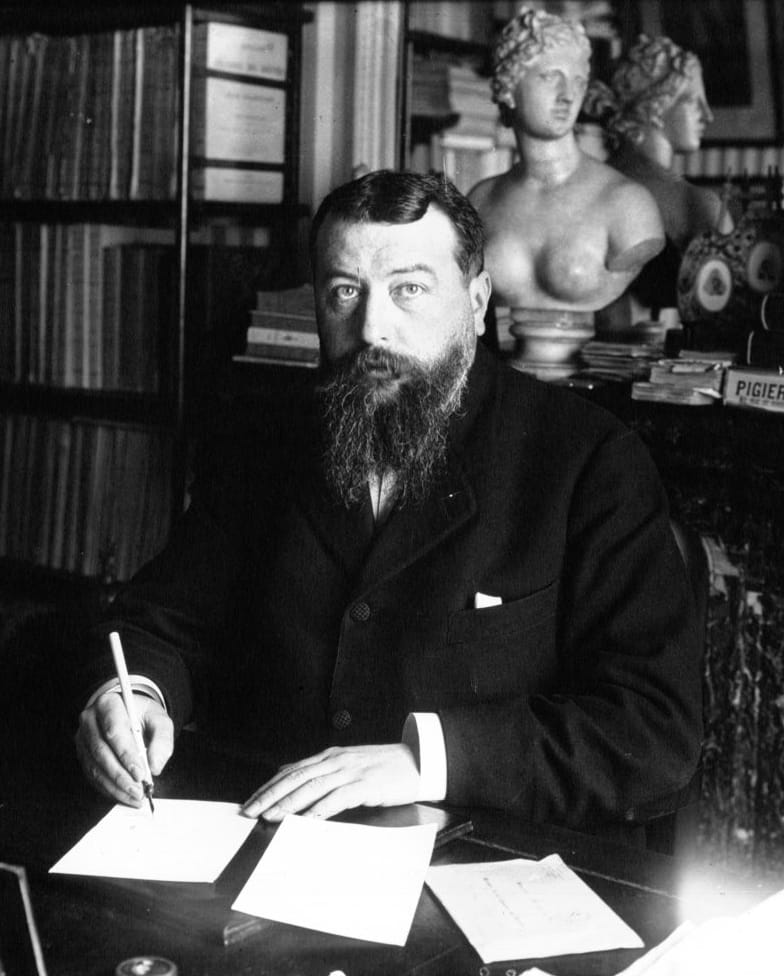
Gaston Menier was an industrialist, politician, and deputy of Seine-et-Marne. His family developed and owned a chocolate factory, of which he became the only owner in 1913.
At the outset of the First World War, he became owner of the château. His political commmitment to those in need led him to offer his help to the Ministry of War, and thus he decided to install a military hospital.
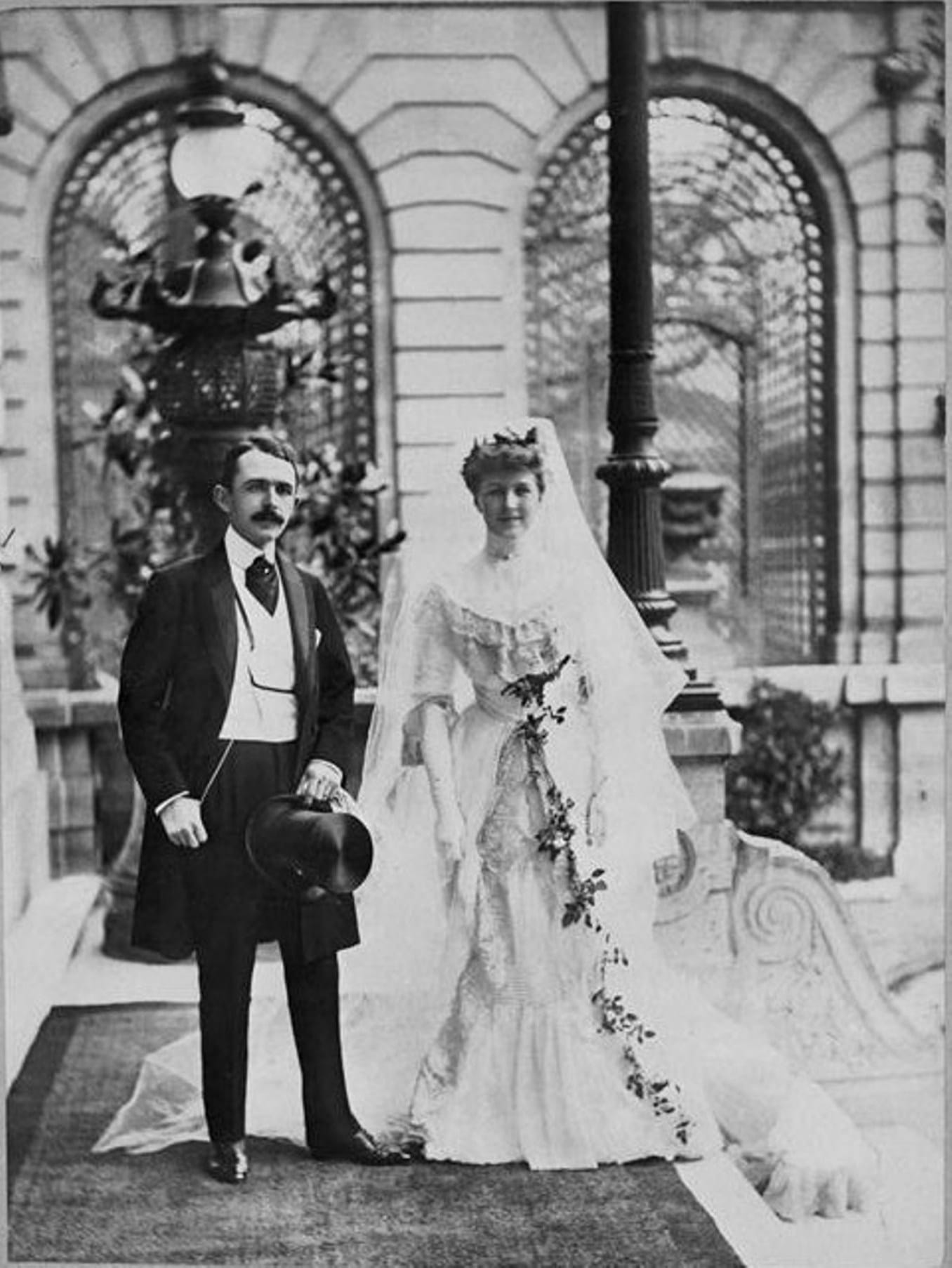
The Menier chocolate factory supplied the armed forces and opened two military hospitals. One in Noisel takes in casualties evacuated from the front lines, and another one in Chenonceau, where the seriously wounded are treated. Gaston Menier entrusted the management of the hospital to his son, George, and his daughter-in-law, Simonne, who became the head nurse.
To turn it into a hospital, the walls are painted in white, covering the frescoes that used to adorn them. In the two galleries, there are 120 beds (sixty beds on the first floor and fifty on the ground floor.) Additionally, the hospital benefitted from the latest innovations, such as one of the first X-ray machine.
In total, 2254 soldiers were treated. Not only could they heal physically, but they also could heal mentally: for instance, those who were mobile could engage in gardening (even winning prizes and helping vary the meals), fishing, or a simple walk in the safety of the garden.
"The fresh air, the tranquility of the region and the patients gave the hospital a friendly, and reassuring atmosphere." - Gaston Menier (memories from 8 october 1934)
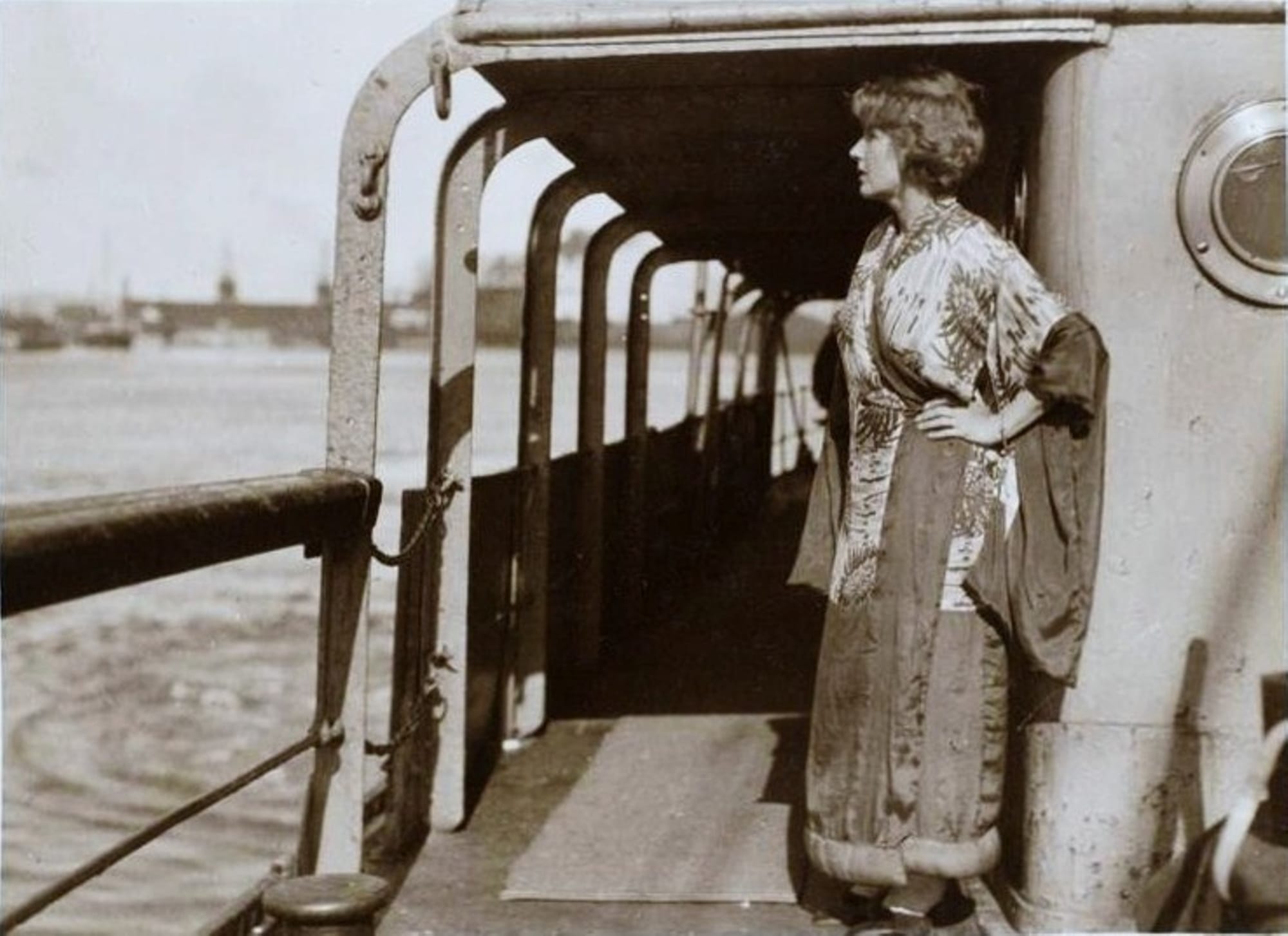
Simonne Menier, head nurse of the hospital
Simonne Menier (née Legrand), born on the 28th of October 1881, was the head nurse of the military hospital set up in the Château de Chenonceau. She was a powerful, skillful woman who ran the place with kindness and autority. On top of taking part in the Red Cross's work, and earning her nursing certification while being mentored by the surgeon Paul Barbarin, she also engaged in artistic and athletic hobbies such as fashion, equitation, and sculpting. It is thanks to her that so many lives were saved.
A key place for the French Resistance
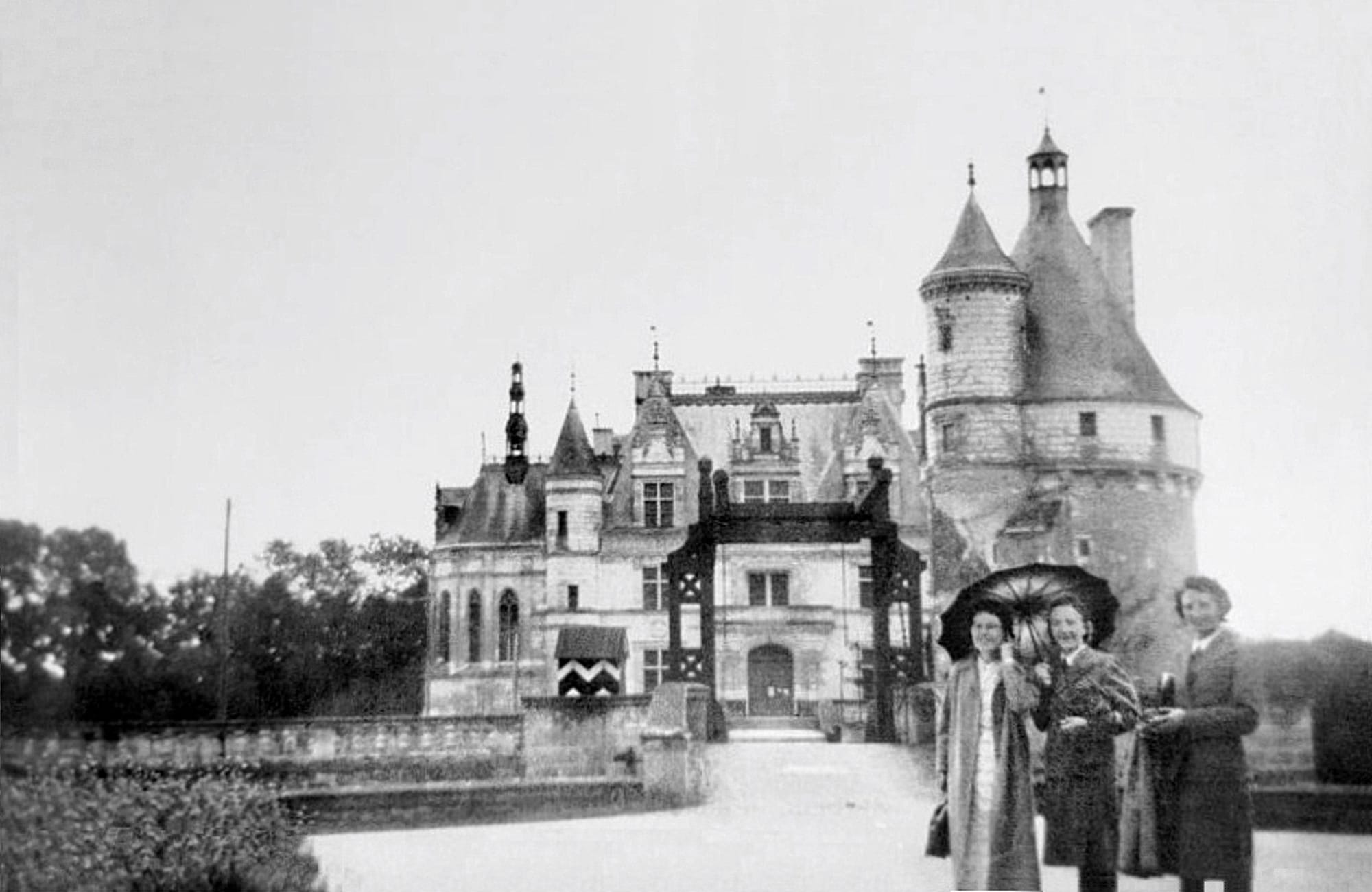
In 1939, the château was requisitioned by the infantry directorate of the War Ministry. In 1940, France was occupied by Germany. Authorities defined a dividing line between the occupied zone and the free zone, using the Cher River to delimit the two. The château quickly found itself under surveillance to make sure no one would use the location as a passageway.
It didn't take long for the French Resistance to take advantage of such situation — they received help from both the owners (Menier) , and the manager, Mr. Bauger. He was the only person allowed inside the château. Surprisingly, he had also fought in the Battle of Verdun alongside one of the German soldiers! Because they sympathized with one another, the army agreed to stay in the village instead of positioning themselves near the château.
Behind the château's refined and elegant facade, secret comings and goings take place: dozens of people take risks to escape, share information, or feed their families.
Surviving the war
Although a flood ravaged Diane's garden on May 7, 1940, the damage sustained by the château is primarily caused by war. On 20 June 1940, the German military set up an artillery battery and fired at the park; one shell pierced the roof of the galleries, another exploded on the external staircase of the Tour des Marques (the Marque's tower), and several landed in the surrounding fields.
Later on, an Americain plane bombarded the area. Multiple bombs fell near the chapel, resulting in the loss of its glass-stained windows, later reconstructed by Max Ingrand. And this isn't the first time the château was under threat of destruction; during the French Revolution, it was saved by Louise Dupin from the destructive will of citizens.
Ever since its inception, the Château de Chenonceau revealed itself to be an incredibly versatile place with many stories to tell. In this case, it proved itself to be a true sanctuary and shield to those in need, and those who fought for freedom. Although the war gave the château a rough time, it stood unbowed and robust. To me, it is one of the most fascinating historical places and it is a shame that not many people write or talk about it.