
Unfairly forgotten : Women in Science


Originally, the word "scientist" was first used to describe a woman: Mary Sommerville. In light of this, the male dominance associated with this word throughout history seems ironic: why do we almost exclusively hear about men when this term is used? Most of the time, women—despite their contribution—are either overshadowed by male colleagues who appropriate their work as their own, and reap the rewards, a phenomenon known as the matilda effect. They remain unsung by society, often receiving credit far too late. Here are six brilliant scientists whose names we should remember.
Jocelyn Bell
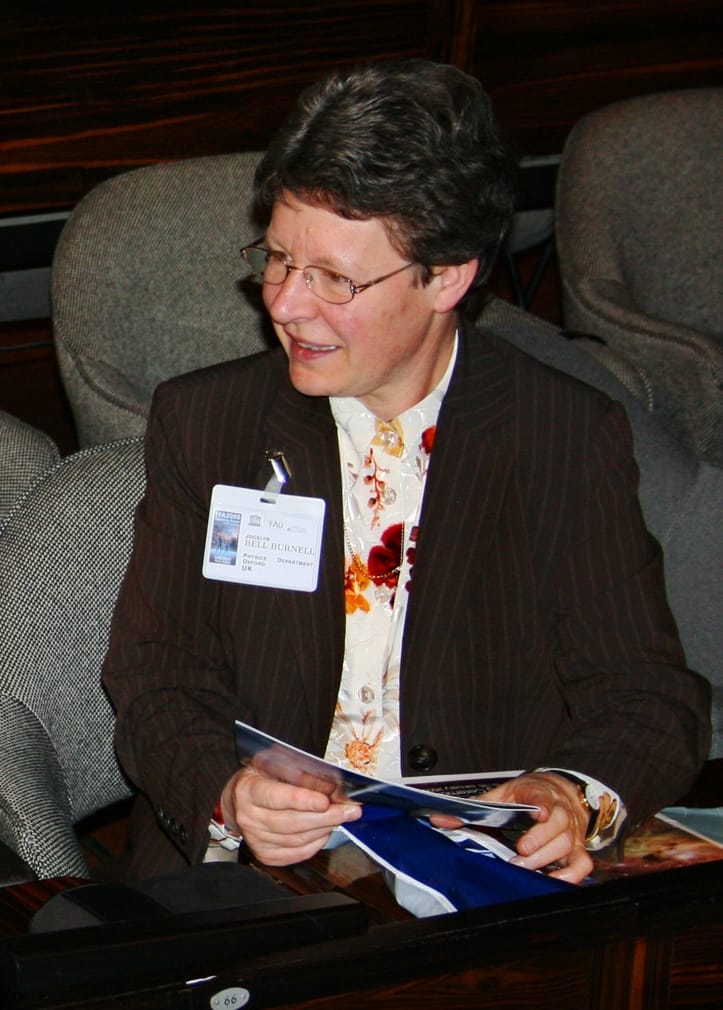

After earning a science degree from the university of Glasgow, Jocelyn Bell began studying at Cambridge in the 1960s. During her studies, she helped build a radio telescope for the study of quasars under the supervision of the radio-astronomer Anthony Hewish.
In 1967, using the machine, she observed what we now call "pulsars" — signal which the position of in the celestial sphere seems constant and exhibiting regular pulsations (occurring once per second) — a phenomenon never seen before. However, in the results article, published in the magazine Nature , Jocelyn Bell's name was omitted from the article. The Nobel prize, moreover, was attributed to Martin Ryle and Anthony Hewish — a widely criticized decision.
Marthe Gautier
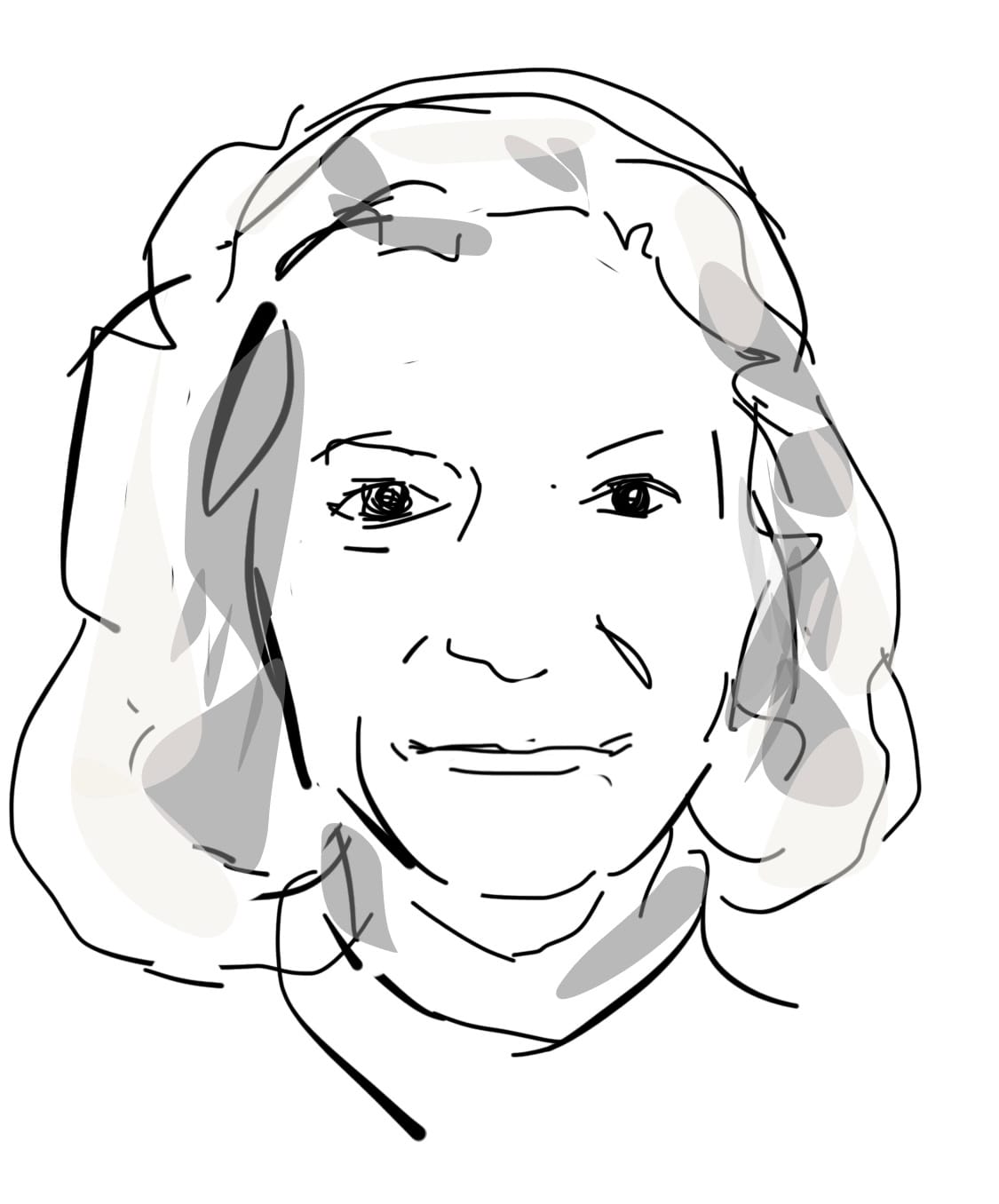

One of the only two women in a class of 80 students at the Paris Hospitals, and a collaborator of Robert Debré—the founding father of modern pediatrics—Marthe Gautier has played a key role in the discovery of the extra chromosome responsible for Down Syndrome (1958). An pediatrician and an honorary research director at INSERM, specialized in cardiopediatry, she also was the first medical student to receive a scholarship to study pediatric cardiology at Harvard in 1955.
After returning to Paris, she started working at the Trousseau hospital for Raymond Turpin. Though she had been given few resources and means to work with, her relentless work paid off in the spring of 1958.
With what she learned at Harvard—numerous in vitro cell culture techniques—she discovered the chromosome responsible for the condition trough the creation of a karyotype. In lack of equipment to photograph her discovery, she lent her slides to a colleague: Jerome Lejeune. Lejeune ended up declaring that the discovery and work was his. His name has been longly associated with the discovery of Down Syndrome, untill 2008 when Marthe Gautier started getting recognition for her role in its discovery.
Chien-Shiung Wu
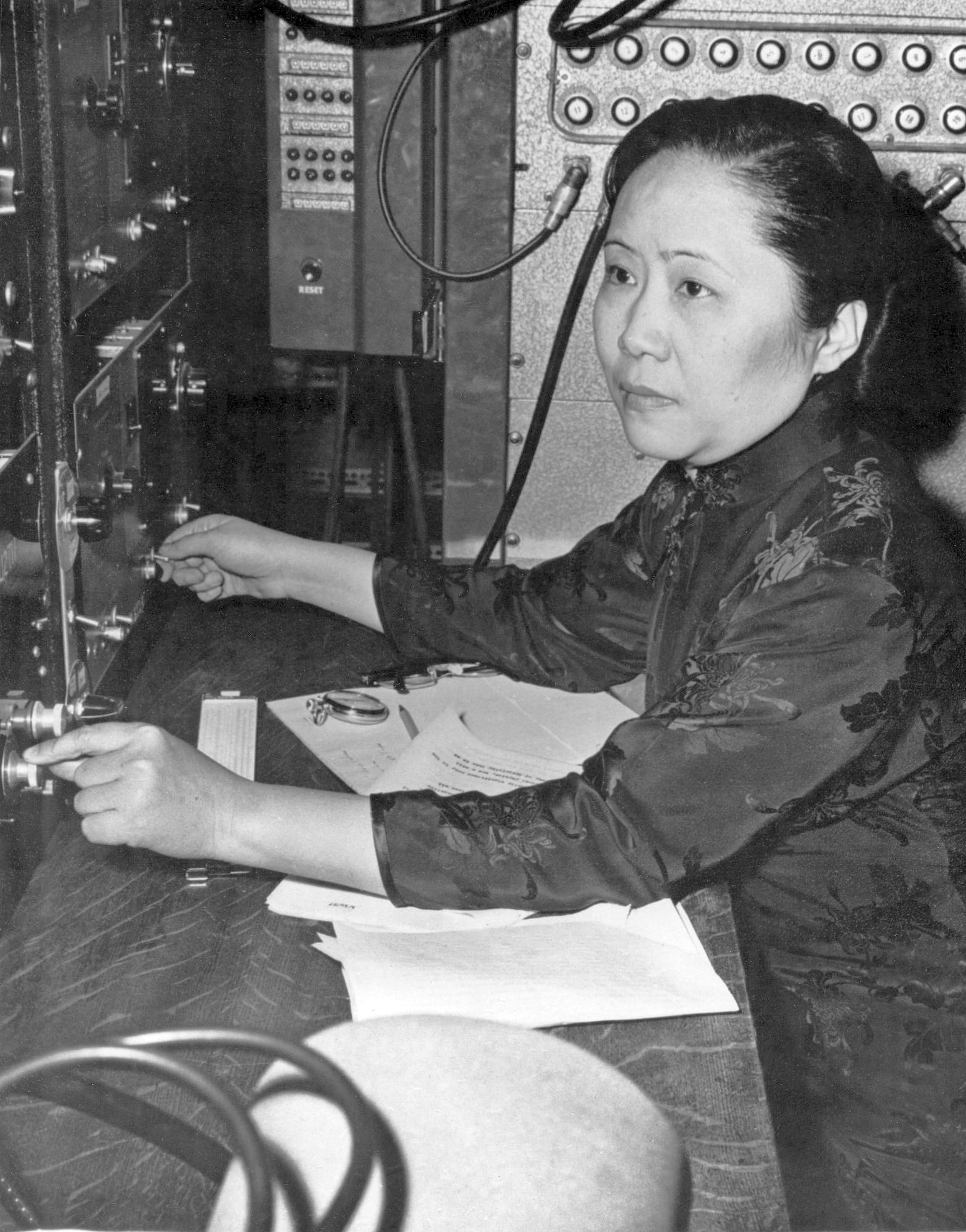

Regarded as the "First Lady of Science" and a "founding mother" in her field, Chien-Shiung Wu profoundly transformed modern physics. Influenced by her parents—an engineer and a teacher—she started studying mathematics and physics at the National Central University in China in 1930. As the conflict between China and Japan escalated, she left her home country for the United States.
During her studies at Berkeley, Wu quickly became an expert in a then-recently discovered phenomenon: nuclear fission. After earning her PhD, she fled the region, where anti-Asian sentiment—exacerbated by the Second World War—had created a dangerous environment. Paradoxically, the war also gave her extraordinary opportunities: because men were mobilized for the conflict, universities faced a shortage of faculty and began recruiting women.
In this way, she became the first female professor in the physics department. In 1944, she joined the Manhattan Project, contributing to research on gaseous diffusion and the design of radiation detectors. Later, by studying the beta decay of cobalt-60 cooled to extremely low temperatures, she confirmed the theory proposed by Tsung Dao Lee and Chen Ning Yang regarding the non-conservation of parity in weak interactions (which implies that, at the subatomic level, nature distinguishes between right and left). Regrettably, the Nobel Prize was awarded to the two physicists, while she was excluded.
Lise Meitner
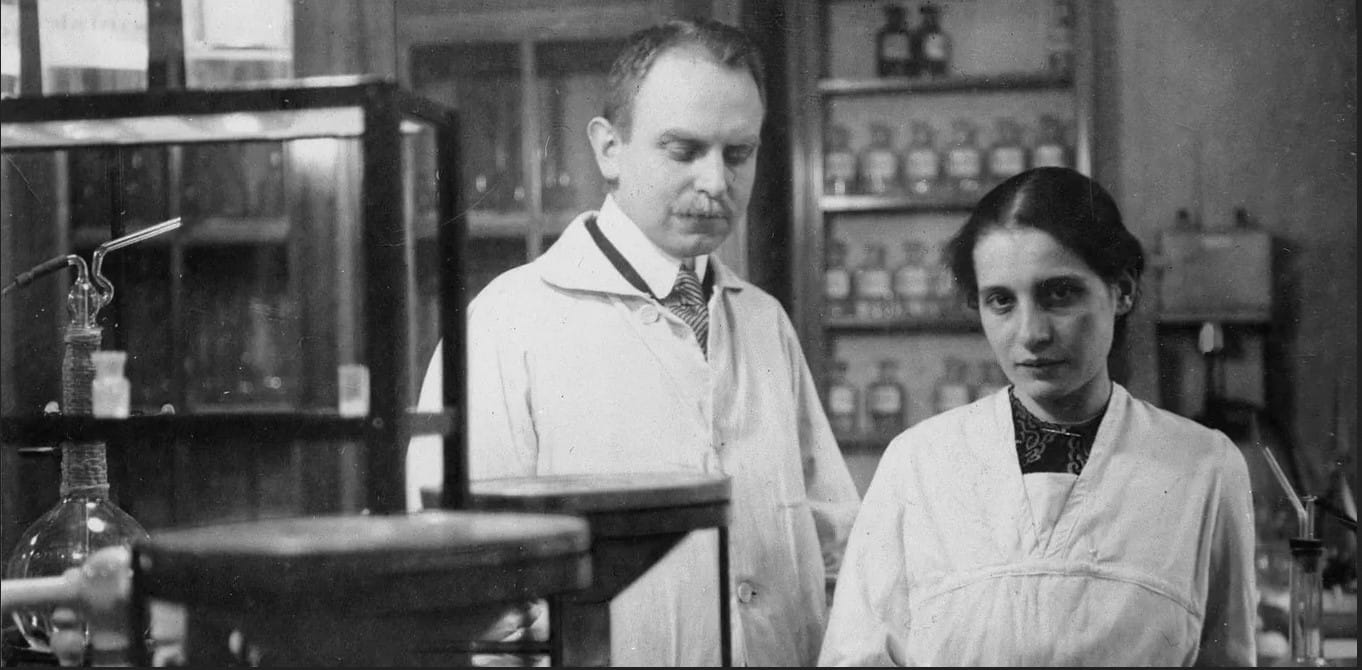
A student of Max Planck—who enabled her to pursue her studies at a time when women were not yet admitted to universities—Lise Meitner originated the term "fission" and played a major role in its discovery. While pursuing her doctorate, she met the chemist Otto Hahn, with whom she began an effective scientific collaboration. However, faced with the rise of Nazism, she (being Jewish herself) had no choice but to flee, settling in Switzerland in 1938. Despite the war, Otto and Lise continued to correspond, eventually meeting up in Copenhagen in November 1938 to plan a series of experiments.
Upon his return to Berlin, Hahn worked on those experiments with Fritz Strassman, who had joined the pair back in 1934. This is when they discovered the concept of nuclear fission. Yet, when their findings were published in the journal Naturwissenschaften, Lise Meitner's name did not appear. In 1944, the Nobel Prize was awarded to Otto Hanh and Fritz Strassman.
Rosalind Elsie Franklin
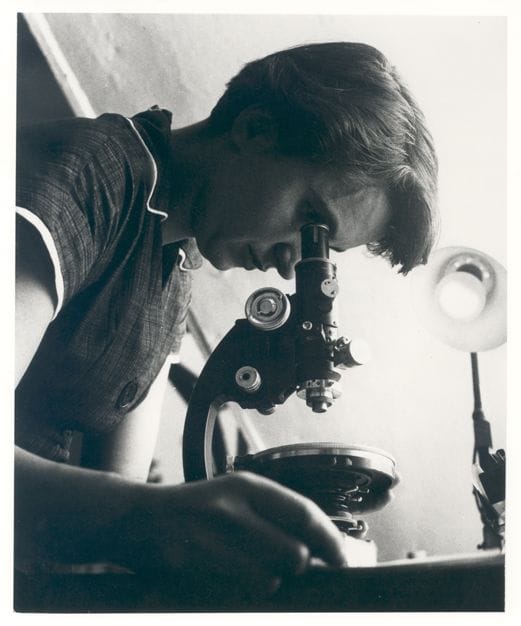

After completing her studies at Cambridge and receiving training in X-Ray crystallography at the Central Laboratory of Chemical Services, Rosalind Franklin brought her expertise to King's College upon her return in London in 1955. During her time there, she worked alongside Maurice Wilkins, though their relationship deteriorated due to a misunderstanding.
In the course of her research, Franklin captured images of the structure of DNA; the most famous of these, "photo 51" revealed the existence of a double helix. Without her knowledge, Wilkins shared this image and its data to James Dewey Watson and Francis Crick, who were also investigating the helical structure of DNA. In 1953, the three men published their findings in the journal Nature. Come 1963, they were awarded the Nobel Prize—with no mention of Franklin, save for a brief acknowledgement from Wilkins.
Gladys West
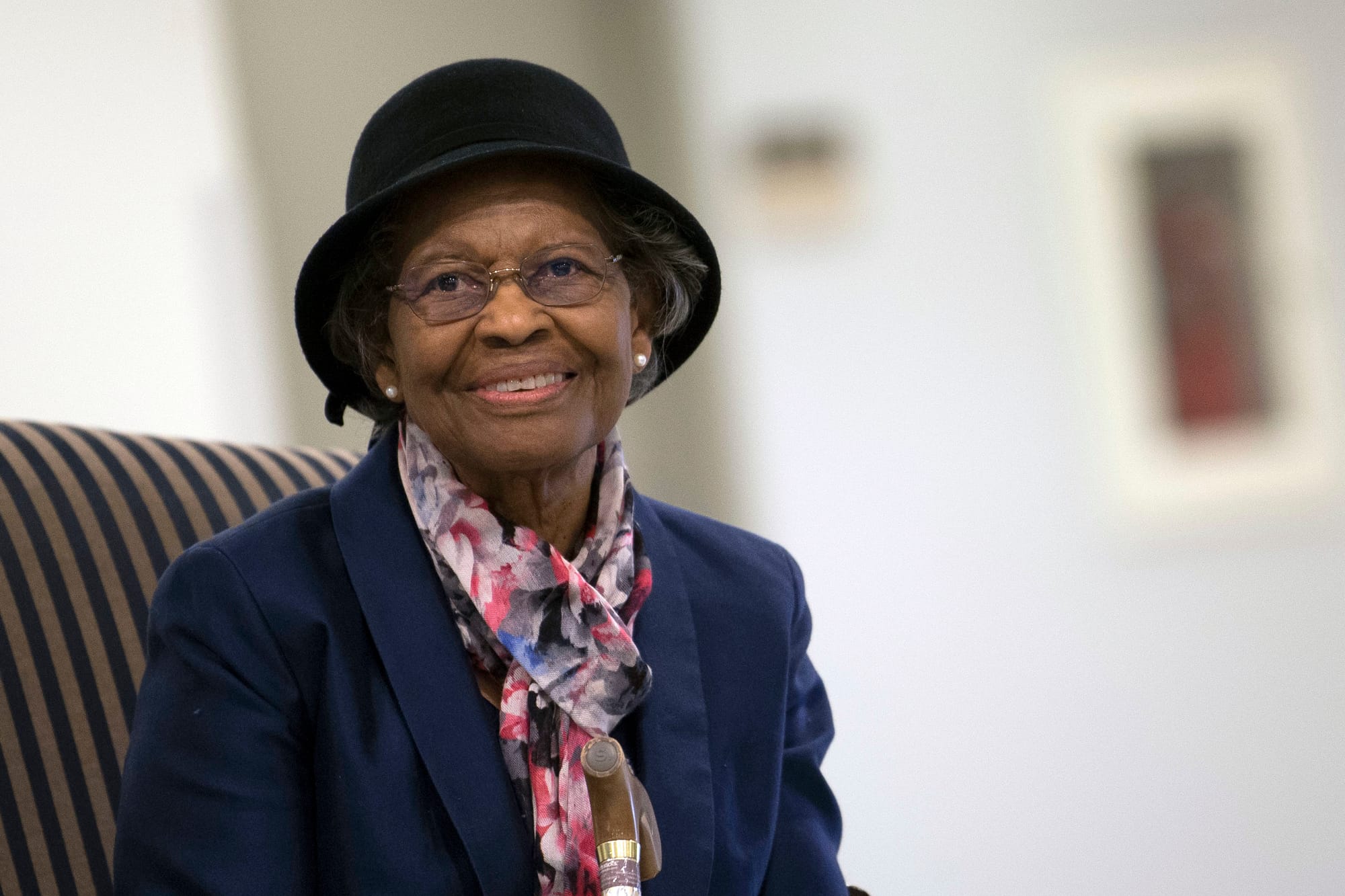

It is thanks to her that we no longer need a map to find our way—yes, it is thanks to her that GPS exists! Yet, no one knows her name. Born in a segregated America, Gladys Mae West realized early on—given the limited professional prospects for a Black woman at that time—that education was her way out. Excelling academically, she went on to study mathematics at Virginia State University. In 1956, she was recruited by the Naval Proving Ground in Dahlgren, becoming only the second Black woman to work at the site.
Her work focused on an accurate representation of the Earth, which enabled satellites to pinpoint specific locations on the globe—a project that was primarily military in nature, with no expectation that it would ever come into civilian use. She programmed some of the most powerful computers of the time, analyzing and correcting vast amounts of satellite data, and led the Seasat project, the first satellite designed for ocean observation.
Her career went on for 40 years; yet, as GPS became a household technology, most people remained unaware of the person who made it possible. Finally, in 2018, she received long-overdue recognition from the U.S. Air Force as the "hidden pioneer" of GPS and was inducted into the Air Force Space and Missile Pioneers Hall of Fame.
Sources
- Ça m'interesse
- GEO
- CNRS
- National Geographic
- France Antilles
- Ingénieurs et scientifiques
- Helen
- The Marginalian
- Geneafinder
- Wikipedia: Rosalind Franklin
- Wikipedia: Jocelyn Burnell
- Wikipedia: Gladys West
- Wikipedia: Chien Shiung Wu
- Wikipedia: Marthe Gautier
- Wikipedia: Lise Meitner